Behind the Label HMDD Lies a Story: What Exactly “Happy Memories Don’t Die” Really Means
Every clothing brand claims to have a story, but few build their entire identity around a single phrase the way HMDD has. The name itself is an acronym — Happy Memories Don’t Die — and it isn’t a marketing afterthought. It’s the reason the brand exists. Understanding what that phrase means, and why it resonates with the people who wear HMDD clothing, requires looking past the hoodies and sweatpants and into the idea that clothing can carry emotional weight the same way a photograph or a song does.
At its core, this expression centers on permanence in the face of loss. Memories fade, people change, circumstances shift, but the underlying belief holds that the moments that mattered — the experiences that shaped your identity — don’t fade away merely because life goes on. That’s a weighty idea to attach to a streetwear brand, yet somehow it’s exactly what accounts for why so many buyers typing in “hmdd review” or “hmddla” end up feeling as though they encountered something deeper than a run-of-the-mill apparel transaction.
The Source of Its Name
HMDD represents Happy Memories Don’t Die — the wording is purposeful in its simplicity. It’s four words and four letters, with no punctuation required to get the point across. While straightforward, emotionally-charged naming has turned more common among small-run streetwear labels over the past several years, HMDD pushes further into the feeling than most — employing it as a recurring theme across product drops rather than a one-time slogan.
Anchored in the streetwear world of Los Angeles, HMDD is the source behind the “hmddla” query — a shorthand buyers and followers rely on hmdd la clothing when hunting for the label on the web.
Los Angeles has given rise to a disproportionate share of trend-setting streetwear labels over the past twenty years, and HMDD belongs within that heritage: tightly limited collections, branding that strikes an emotional chord, and a design language that leans toward comfort and subtlety over loud logos.
It isn’t only the name that makes the story compelling — it’s the steady way in which the brand carries it out. Item write-ups, release titles, and even the packaging itself tend to return to one recurring notion: hang onto what’s good, allow it to ground you. For a customer base that increasingly wants brands to stand for something beyond the product itself, this steadiness carries weight.
What Lies Behind “Happy Memories Don’t Die” to Customers
It’s intentional, but poll ten separate HMDD shoppers what the phrase signifies for them personally and you’ll probably hear ten varying answers. In some cases, it’s about a person they’ve lost. For a different group, it’s more straightforward — an encouragement to savor good moments before they fade into recollection. A key driver behind the phrase’s reach well beyond the clothing itself is this kind of open-ended emotional branding, and it shows up in captions, tattoos, and conversations having nothing to do with any specific product.
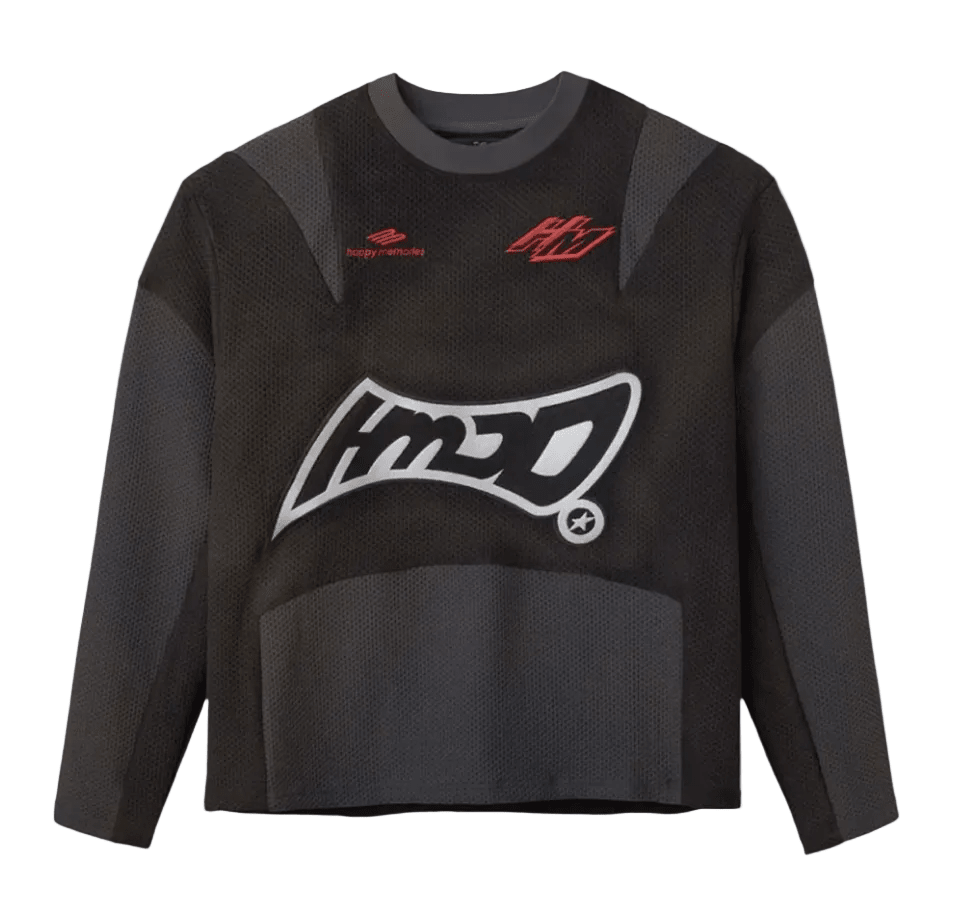
Instead of standing as the message’s endpoint, the garment acts as a medium for that concept. A hoodie bearing “Happy Memories Don’t Die” stitched or printed on it is more than a garment; to a lot of wearers, it’s a wearable reminder. That deeper emotional function is part of why HMDD clothing typically create loyal buyers rather than single-purchase customers — people come back not just for fresh color options but because the message still resonates well beyond the initial buy.
This is also why queries for an “hmdd review” often turn up discussion that goes beyond sizing and material. People leaving reviews tend to mention the emotional story tied to the brand sooner than they reference construction quality or fit, which is unusual for a streetwear label and demonstrates how effectively the brand story has been embedded within the experience of the product.
The Product Line: The Point Where the Vision Connects With the Cloth
HMDD’s catalog centers on everyday essentials rather than complicated silhouettes, and that’s intentional — the idea is that the message should live in pieces people actually wear on repeat, not just special-occasion items. Sweatpants and shorts make up a significant portion of the lineup, and both categories have become the entry point for a lot of new customers discovering the brand for the first time in 2026.
HMDD sweatpants are designed around a relaxed, everyday fit rather than an athletic or slim cut, which aligns with the broader streetwear shift toward comfort-first loungewear that’s been building since the early 2020s and shows no signs of reversing. HMDD shorts follow the same logic — built for warm-weather versatility rather than performance activewear, positioned closer to lifestyle wear than gym gear.
Whenever someone asks what the best HMDD clothing pieces are, the response typically hinges on how you intend the garment to be used. Should you want a piece that boldly showcases the brand’s message, graphic hoodies and tees usually display the boldest branding. If you’d rather have something subtler that still connects to the brand’s outlook, sweatpants and shorts with subtler detailing are typically the pieces long-time customers recommend to newcomers.
Typical Streetwear Branding, Versus What HMDD Does
In order to see what makes HMDD distinct, it helps to compare its strategy alongside the more typical branding strategies common within the streetwear space. The chart that follows outlines a few key differences in philosophy and product focus.
| Aspect | Conventional Streetwear Brand | HMDD |
|---|---|---|
| Core Message | Branding centered on logos, status signaling | A story rooted in feeling shaped by memory and loss |
| Product Focus | Buzz-driven releases, limited-run hoodies and tees | Everyday essentials like sweatpants and shorts together with graphic pieces |
| Bond With Customers | Frequently tied to trends, fleeting engagement | Long-term emotional attachment to the phrase and its meaning |
| Geographic Roots | Inconsistent, frequently vague | Rooted in LA streetwear culture (hmddla) |
| Repeat Purchase Driver | New designs, buzz cycles | Continued resonance of the “Happy Memories Don’t Die” message |
None of this is meant to claim one strategy is objectively better — hype-driven branding has produced quite a few successful labels. But it does explain why HMDD’s growth has unfolded differently. Instead of relying purely on scarcity or logo visibility, the brand has cultivated something more akin to a community built on a shared sentiment, which often results in more consistent, devoted interest rather than brief spikes linked to a single drop.
Why This Narrative Continues to Resonate in 2026
Feeling-driven branding is nothing new, but the demand for it has expanded considerably heading into 2026, as a growing number of buyers — particularly younger consumers — say they gravitate toward brands with a defined perspective over ones that merely follow fads. HMDD benefits from having laid its groundwork on that kind of authenticity years before it became a competitive necessity rather than a optional extra.
There’s also the practical side of it: comfort-focused categories like sweatpants and shorts have stayed dominant in casual wardrobes for several years running, and this trend shows no signs of shifting. By rooting its most-worn products in categories people already reach for daily, HMDD makes certain its message gets seen repeatedly rather than being tucked away for rare moments.
The phrase itself has also proven durable because it doesn’t depend on a specific fad, viral moment, or passing craze — grief, nostalgia, and the wish to keep good memories alive are constants regardless of what year it is. That enduring quality is arguably the brand’s biggest asset going into 2026 and beyond, providing lasting relevance that purely aesthetic streetwear brands often find hard to sustain once trends shift.
Final Thoughts on the HMDD Story
The tale behind HMDD isn’t compelling because of convoluted marketing tactics; rather, it’s how uncomplicated the concept is paired with the consistency it has shown in staying true to it. Happy Memories Don’t Die is more than a label stitched onto a garment; it’s a philosophy built into daily wardrobe staples like sweatpants and shorts, designed for frequent wear that the idea becomes part of daily life rather than a one-time statement.
If you’re sifting through reviews, weighing your options, or simply wondering why a phrase like this has taken hold so widely, the reason traces back to something fairly universal: individuals seek assurance that meaningful moments once held value and continue to. HMDD built a brand around honoring that, and in doing so, transformed a plain set of initials into something a lot of people now wear with genuine meaning.
Leave a Reply